
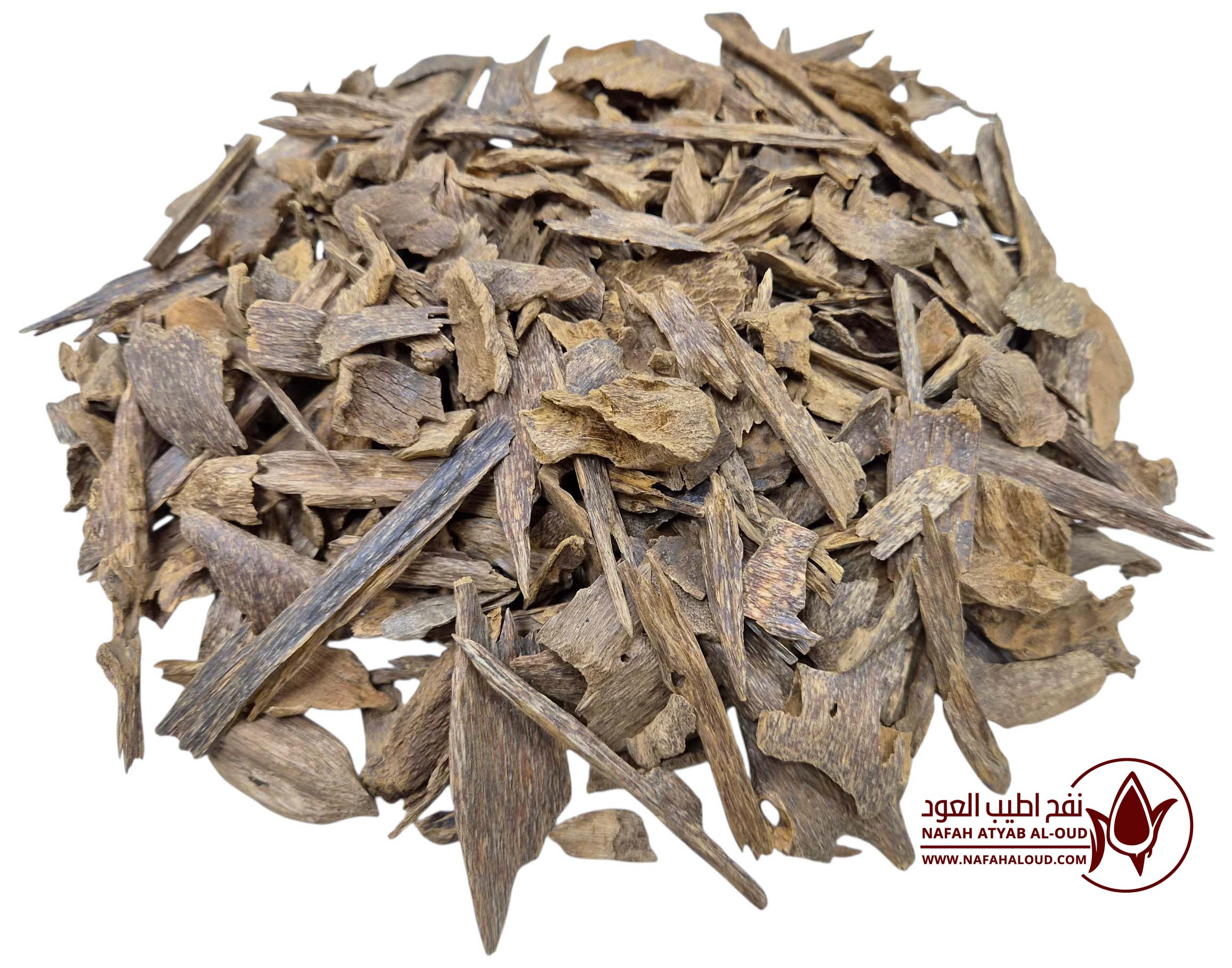
From the Nafah catalog: Natural Kalimantan Oud Double Super [2409]. This illustrates the named product, not every country or region discussed in this article. Explore the catalog
36. Sumatran oud: understanding the name before buying
Sumatran is a broad island label. Aceh may provide a more specific location within Sumatra rather than identify a completely separate kind. Ask the seller how precisely the origin is documented.
Location or label scope: Sumatra, Indonesia. This is a geographical or place-associated trade name rather than an independent botanical species. An official place record does not authenticate the origin of a retail piece.
If an offer lists specific notes, ask whether they describe the current batch or are general marketing language. Compare woodiness, sweetness and balance yourself. An attractive description should not replace material and production information.
Choose by evaluating the aroma and reviewing batch information rather than a permanent ranking of countries. Ask what the commercial grade means and how the offered pieces differ. Verify the source if geography is the main reason for your choice.
Before a large occasion, test the available pieces in the intended room rather than rely on a description to set the quantity. Use a suitable burner, supervise charcoal and ventilate. Store unused wood clean, away from moisture sources and heat.
Article sources and their limits
- Indonesia Ministry of Tourism: destinationsGeographical context only.
Sources support only their stated scope. Selection and use advice is editorial guidance, not authentication of a lot, its origin or its scent.
37. Aceh oud: understanding the name before buying
Aceh is a regional label associated with Sumatra, not a scent guarantee. Against a general Sumatran offer, examine what extra provenance information the label provides rather than assume the narrower name is superior.
Location or label scope: Aceh, Indonesia. This is a geographical or place-associated trade name rather than an independent botanical species. An official place record does not authenticate the origin of a retail piece.
For a useful comparison, select a familiar sample and one from the new offer and write what you prefer in each. Complex vocabulary is unnecessary: decide whether the aroma feels comfortable to you and whether you want it at home or when hosting guests.
Request photographs of the actual lot and the seller’s sorting criteria. Treat visible resin patterns and colour as inspection clues rather than final proof of authenticity or quality. For a gift, choose a product whose source and treatment you can explain clearly.
Start gently in a suitable burner rather than add several pieces at once on the first trial. For hosting, test ahead of the event and allow ventilation. Keep the rest of the batch in a clean container away from sun and surrounding fragrances.
Article sources and their limits
- Indonesia Ministry of Tourism: destinationsGeographical context only.
Sources support only their stated scope. Selection and use advice is editorial guidance, not authentication of a lot, its origin or its scent.
38. Javanese oud: understanding the name before buying
Javanese may be a trading or processing label; this research does not authenticate every product using it. Ask whether the tree grew on Java or whether wood from another island was sold there.
Location or label scope: Java, Indonesia; batch source needs confirmation. This is a geographical or place-associated trade name rather than an independent botanical species. An official place record does not authenticate the origin of a retail piece.
Evaluate the aroma without trying to prove a country through smell. Woody, sweet and spicy can describe your experience, while provenance needs other information. Do not transfer the impression of one piece to every product sharing its label.
For daily use, choose a batch whose aroma you have tested within your budget. For Eid or welcoming guests, test it in your majlis beforehand. Inspect the pieces and ask about resin and additions rather than pay extra simply for a darker appearance.
For home hospitality, test a modest amount in the majlis before the occasion instead of beginning with a large quantity. Follow burner instructions, ventilate and never leave charcoal unattended. Keep the packet away from a sunny window or hot vehicle.
Article sources and their limits
- Indonesia Ministry of Tourism: destinationsGeographical context only.
- Kew POWO: Aquilaria malaccensisBotanical name and distribution, not a commercial grade.
Sources support only their stated scope. Selection and use advice is editorial guidance, not authentication of a lot, its origin or its scent.
39. Kalimantan oud: understanding the name before buying
Kalimantan refers to Indonesian Borneo rather than a tree species. Narrower labels such as Malinau may overlap with it. Compare these as source information requiring records, rather than fixed grades.
Location or label scope: Kalimantan, Indonesia. This is a geographical or place-associated trade name rather than an independent botanical species. An official place record does not authenticate the origin of a retail piece.
Ask about the aroma under moderate heating rather than rely only on the smell inside the packet. Decide whether you value quiet detail or a presence suited to a majlis. The available evidence cannot promise one aroma for every batch bearing this name.
Ask the supplier to answer three questions separately: where the trees grew, how resin formed, and whether substances were added after harvest. This detail is more informative than a quick colour or weight test.
Evaluating oud does not require a large quantity. Begin with a small piece and moderate heating according to burner instructions, recording what you enjoyed. Close the container and keep it away from sunlight, retaining the supplier description for reference.
Article sources and their limits
- Indonesia Ministry of Tourism: destinationsGeographical context only.
Sources support only their stated scope. Selection and use advice is editorial guidance, not authentication of a lot, its origin or its scent.
40. Malinau / Malino oud: understanding the name before buying
Official sources establish Malinau as a place, but every Malino trade label should not automatically be assigned to it. Request the original supplier spelling: similarity does not establish a forest or species.
Location or label scope: Malinau in Kalimantan; the trade spelling Malino needs confirmation. This is a geographical or place-associated trade name rather than an independent botanical species. An official place record does not authenticate the origin of a retail piece.
Evaluating the aroma of the actual lot is more useful than comparing dramatic origin stories. Note what you enjoy and keep sensory observations separate from rarity and age claims. Premium should not have a fixed meaning without the seller’s sorting criteria.
Before buying, request a statement of wood source and whether fragrances or other substances were added. Ask about cultivation and induction when known. Look at several pieces, and do not make dark colour or sinking your only authenticity test.
For daily incense, choose a quantity you can evaluate easily and adjust to the room and your preference. Follow burner guidance and supervise charcoal. Do not spray perfume into the storage container; keep it dry and clean with the batch details.
Article sources and their limits
- Malinau local government tourismConfirms the place name Malinau; does not equate every Malino label with it.
Sources support only their stated scope. Selection and use advice is editorial guidance, not authentication of a lot, its origin or its scent.
41. Tarakan oud: understanding the name before buying
Tarakan is a place name that may identify a trading route. Ask the seller to distinguish the shipment’s collection point from where the trees grew, especially when a particular forest is claimed.
Location or label scope: Tarakan, Indonesia. This is a geographical or place-associated trade name rather than an independent botanical species. An official place record does not authenticate the origin of a retail piece.
When evaluating the aroma, record your impressions of woodiness, sweetness and sharpness rather than search for a presumed regional scent. If a seller calls a sample earthy, ask whether that describes heated wood or distilled oil. These are aroma descriptions, not provenance certificates.
For daily use, choose a batch whose aroma you have tested within your budget. For Eid or welcoming guests, test it in your majlis beforehand. Inspect the pieces and ask about resin and additions rather than pay extra simply for a darker appearance.
Compare samples in the same burner using similar quantities, without mixing different woods during evaluation. Once you choose what suits home use or guests, store it dry and away from heat, with its name and available source information.
Article sources and their limits
- Indonesia Ministry of Tourism: TarakanGeography only.
Sources support only their stated scope. Selection and use advice is editorial guidance, not authentication of a lot, its origin or its scent.
42. Pontianak oud: understanding the name before buying
Pontianak does not identify a specific Aquilaria species. We did not establish a distinct aroma profile for the label. If it identifies a trading centre, ask that the original source region be retained in the description.
Location or label scope: Pontianak label, Indonesia. This is a geographical or place-associated trade name rather than an independent botanical species. An official place record does not authenticate the origin of a retail piece.
Compare the aroma with a familiar sample you already enjoy. Sweet, resinous and spicy can help describe your perception, but should not establish a country. Ask for a description of this particular lot rather than a ready-made profile applied to an entire region.
Ask the supplier to answer three questions separately: where the trees grew, how resin formed, and whether substances were added after harvest. This detail is more informative than a quick colour or weight test.
Use a clean burner and a small amount for evaluating the aroma, increasing heat gradually according to the device instructions. Thick smoke should not be the goal. Return unused wood to dry storage and retain the batch label so you can recognize the lot when buying again.
Article sources and their limits
- Indonesia Ministry of Tourism: destinationsGeographical context only.
Sources support only their stated scope. Selection and use advice is editorial guidance, not authentication of a lot, its origin or its scent.
43. Sulawesi oud: understanding the name before buying
Sulawesi names an island rather than a uniform chip style. Do not assign a shipment to one species from its island label. Request a botanical identification if species is central to your purchasing decision.
Location or label scope: Sulawesi, Indonesia. This is a geographical or place-associated trade name rather than an independent botanical species. An official place record does not authenticate the origin of a retail piece.
The consulted sources do not establish a uniform sensory standard for this label. Evaluate the opening aroma and what you enjoy as heating continues. A difference between your perception and the seller’s description does not by itself disprove origin.
Before buying, request a statement of wood source and whether fragrances or other substances were added. Ask about cultivation and induction when known. Look at several pieces, and do not make dark colour or sinking your only authenticity test.
Before a large occasion, test the available pieces in the intended room rather than rely on a description to set the quantity. Use a suitable burner, supervise charcoal and ventilate. Store unused wood clean, away from moisture sources and heat.
Article sources and their limits
- Indonesia Ministry of Tourism: destinationsGeographical context only.
- Kew POWO: Gyrinops versteegiiBotanical identity and distribution.
Sources support only their stated scope. Selection and use advice is editorial guidance, not authentication of a lot, its origin or its scent.
44. Sumbawa oud: understanding the name before buying
Gyrinops research includes field exploration on Sumbawa. That supports botanical context for the island, but does not classify every marketed piece. Ask how the product description is connected to the actual offered lot.
Location or label scope: Sumbawa, Indonesia. This is a geographical or place-associated trade name rather than an independent botanical species. An official place record does not authenticate the origin of a retail piece.
If you enjoy gentle woodiness, look for it in the actual sample. If you prefer a clearer presence in a majlis, test the quantity in the intended room. This is a matter of preference, with no promise that every piece bearing the label performs alike.
Compare several pieces rather than only the most attractive photographed chip, and request a batch name on the invoice. If sinking is central to an advertisement, ask for material identification too. A water result does not fully document the wood.
Start gently in a suitable burner rather than add several pieces at once on the first trial. For hosting, test ahead of the event and allow ventilation. Keep the rest of the batch in a clean container away from sun and surrounding fragrances.
Article sources and their limits
- Sutomo et al.: Conservation Status of Gyrinops versteegii in Indonesia (2021)Field exploration includes Lombok, Sumbawa and Flores; not authentication of marketed wood.
Sources support only their stated scope. Selection and use advice is editorial guidance, not authentication of a lot, its origin or its scent.
45. Flores oud: understanding the name before buying
Field research documents Gyrinops on Flores. A tree’s presence should not be equated with desirable resin in every piece. The practical purchasing question is what has been established about the current wood.
Location or label scope: Flores, Indonesia. This is a geographical or place-associated trade name rather than an independent botanical species. An official place record does not authenticate the origin of a retail piece.
Warm, sweet and sharp are human sensory impressions, and people need not agree on them. Evaluate the aroma separately, away from other incense so you can describe what you enjoy in the offered oud without blending several aromas.
Read the entire offer and ask about differences between the name, photograph and invoice. Do not identify a species through colour alone. A wild or old claim deserves supplier evidence rather than a purchasing decision built on promotional wording.
For home hospitality, test a modest amount in the majlis before the occasion instead of beginning with a large quantity. Follow burner instructions, ventilate and never leave charcoal unattended. Keep the packet away from a sunny window or hot vehicle.
Article sources and their limits
- Sutomo et al.: Conservation Status of Gyrinops versteegii in Indonesia (2021)Field exploration includes Lombok, Sumbawa and Flores; not authentication of marketed wood.
Sources support only their stated scope. Selection and use advice is editorial guidance, not authentication of a lot, its origin or its scent.
46. Ambon oud: understanding the name before buying
Ambon and Seram are different names in the Maluku region. We did not verify a separate source forest for each Ambon-labelled offer. Request clarification on whether the name means trading location or growing origin.
Location or label scope: Ambon label, Indonesia. This is a geographical or place-associated trade name rather than an independent botanical species. An official place record does not authenticate the origin of a retail piece.
If an offer lists specific notes, ask whether they describe the current batch or are general marketing language. Compare woodiness, sweetness and balance yourself. An attractive description should not replace material and production information.
A beginner can request a simple explanation of how the lot differs from another offer: aroma characteristics, piece selection or source documentation. Do not make chip size, colour or a regional label your sole authenticity criterion.
Evaluating oud does not require a large quantity. Begin with a small piece and moderate heating according to burner instructions, recording what you enjoyed. Close the container and keep it away from sunlight, retaining the supplier description for reference.
Article sources and their limits
- Indonesia Ministry of Tourism: destinationsGeographical context only.
Sources support only their stated scope. Selection and use advice is editorial guidance, not authentication of a lot, its origin or its scent.
47. Seram oud: understanding the name before buying
Do not turn Arabic spellings of Seram into separate oud grades. If Ambon also appears in the paperwork, ask for the shipment route rather than merge the islands or assume a fixed species.
Location or label scope: Seram label, Indonesia. This is a geographical or place-associated trade name rather than an independent botanical species. An official place record does not authenticate the origin of a retail piece.
For a useful comparison, select a familiar sample and one from the new offer and write what you prefer in each. Complex vocabulary is unnecessary: decide whether the aroma feels comfortable to you and whether you want it at home or when hosting guests.
Ask what natural means in this offer: tree growth, resin formation, or absence of added substances? Request a separate answer for each. Do not rely on a piece’s weight or colour alone to confirm the shipment’s quality.
For daily incense, choose a quantity you can evaluate easily and adjust to the room and your preference. Follow burner guidance and supervise charcoal. Do not spray perfume into the storage container; keep it dry and clean with the batch details.
Article sources and their limits
- Indonesia Ministry of Tourism: destinationsGeographical context only.
Sources support only their stated scope. Selection and use advice is editorial guidance, not authentication of a lot, its origin or its scent.
98. Lombok oud: understanding the name before buying
Lombok is an addition supported by Gyrinops field research. Its inclusion in a study does not establish that every Lombok-labelled lot has the same species or grade. Request evidence connecting the batch to its claimed origin.
Location or label scope: Lombok, Indonesia. This is a geographical or place-associated trade name rather than an independent botanical species. An official place record does not authenticate the origin of a retail piece.
Evaluate the aroma without trying to prove a country through smell. Woody, sweet and spicy can describe your experience, while provenance needs other information. Do not transfer the impression of one piece to every product sharing its label.
Before buying, request a statement of wood source and whether fragrances or other substances were added. Ask about cultivation and induction when known. Look at several pieces, and do not make dark colour or sinking your only authenticity test.
Before a large occasion, test the available pieces in the intended room rather than rely on a description to set the quantity. Use a suitable burner, supervise charcoal and ventilate. Store unused wood clean, away from moisture sources and heat.
Article sources and their limits
- Sutomo et al.: Conservation Status of Gyrinops versteegii in Indonesia (2021)Field exploration includes Lombok, Sumbawa and Flores; not authentication of marketed wood.
- Kew POWO: Gyrinops versteegiiBotanical identity and distribution.
Sources support only their stated scope. Selection and use advice is editorial guidance, not authentication of a lot, its origin or its scent.
104. Indonesian natural oud: understanding the name before buying
Indonesian sources document agarwood-producing trees, including Gyrinops on islands examined in field research. Indonesian cannot identify one species. Compare Sumatra, Kalimantan and Papua as source regions rather than botanical ranks.
Location or label scope: Indonesia, multiple island sources. This is a geographical or place-associated trade name rather than an independent botanical species. An official place record does not authenticate the origin of a retail piece.
If you enjoy gentle woodiness, look for it in the actual sample. If you prefer a clearer presence in a majlis, test the quantity in the intended room. This is a matter of preference, with no promise that every piece bearing the label performs alike.
A beginner can request a simple explanation of how the lot differs from another offer: aroma characteristics, piece selection or source documentation. Do not make chip size, colour or a regional label your sole authenticity criterion.
Use a clean burner and a small amount for evaluating the aroma, increasing heat gradually according to the device instructions. Thick smoke should not be the goal. Return unused wood to dry storage and retain the batch label so you can recognize the lot when buying again.
Article sources and their limits
- Sutomo et al.: Conservation Status of Gyrinops versteegii in Indonesia (2021)Field exploration includes Lombok, Sumbawa and Flores; not authentication of marketed wood.
- Kew POWO: Gyrinops versteegiiBotanical identity and distribution.
Sources support only their stated scope. Selection and use advice is editorial guidance, not authentication of a lot, its origin or its scent.